☆☆☆Fourth report of Daniel Gottstein, 25th scholar of GRÜNWALD STIFTUNG☆☆☆
Fourth Scholarship Report – Daniel Gottstein
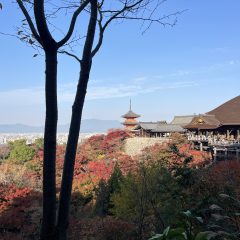
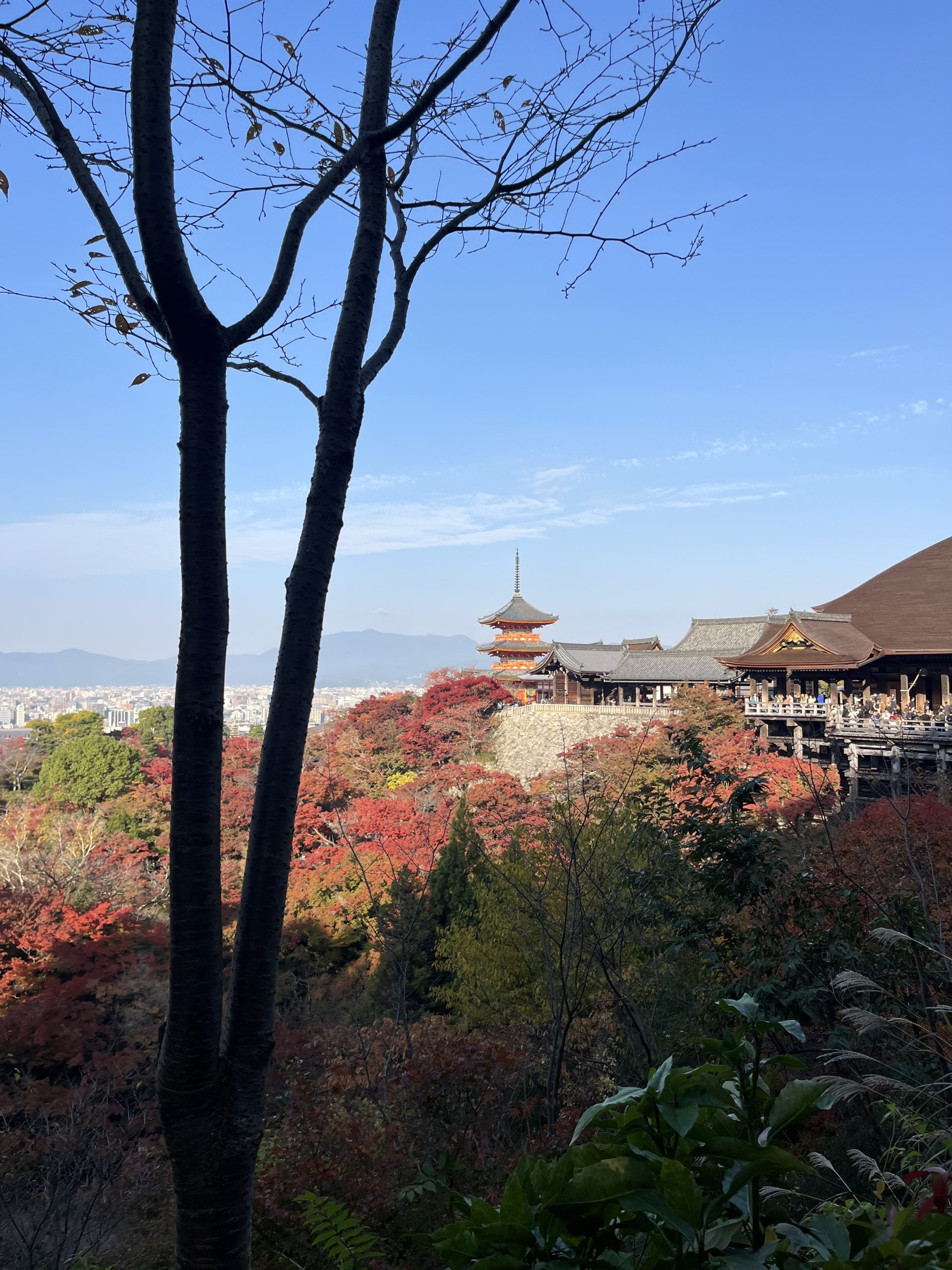
In Japan, the autumn leaves have now fully arrived, transforming already beautiful places into postcard-worthy scenes.
Aside from this seasonal change, I once again noticed several differences in the cityscape compared to Germany. First, many buildings have staircases on their exterior walls, which, thanks to the symmetrical construction, add a certain aesthetic appeal. Possible explanations for this architectural style include fire safety regulations or limited space. In addition, small gaps between houses are a common sight, which may also serve as fire-prevention measures.
I also found it fascinating that in older, narrower streets, some houses are built directly at the edge of the road, while others are set back a bit. My research revealed that these streets are intended to be widened to a standardized width of around four meters in the future. Since old houses are not required to be demolished for this purpose, the regulation applies only to newly constructed buildings. As a result, the position of a house often indicates whether it is older or newly built.
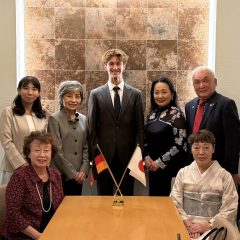
When going out—whether in restaurants or in izakayas and bars—there is an unspoken rule in Japan that older people invite younger ones. I have benefited from this custom several times recently and am very grateful for it. A particularly clear example occurred in a bar in Onomichi. After being asked my age by some Japanese people I had just met, the older gentleman said that he had money and wanted to treat both me and the younger person he was with. For me, this situation not only reflected this cultural principle but also demonstrated omotenashi, the spirit of Japanese hospitality.
Japanese society strikes me as very goal-oriented and competitive. Even for entering elementary school, children may take an entrance test; higher-ranked schools require a correspondingly good result. Preparations for these tests may begin as early as age four. This competitive structure continues throughout the school years. Students at top-tier schools have the chance to enter prestigious universities, and many attend school six days a week. As a result, little time remains for leisure activities outside of classes and homework.
At a nearby elementary school, I was delighted to observe that students clap and sing at every class change, apparently as a way to refocus their attention. Moreover, every school has its own uniforms, which, when seen in large numbers, create a very charming sight.
Perhaps it is due to the circles I move in here in Japan, but the knowledge and enthusiasm for Western classical music seem more widespread than what I am used to in Germany. Classical music often serves as a common small-talk topic — for example, in conversations with the gentlemen I met in Onomichi.
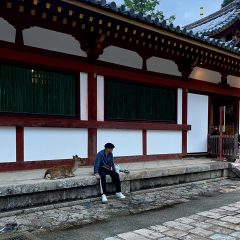
Overall, the past few weeks have been an absolute highlight, both in terms of human encounters and natural beauty. Attached are some almost overly picturesque impressions of the autumn leaves.
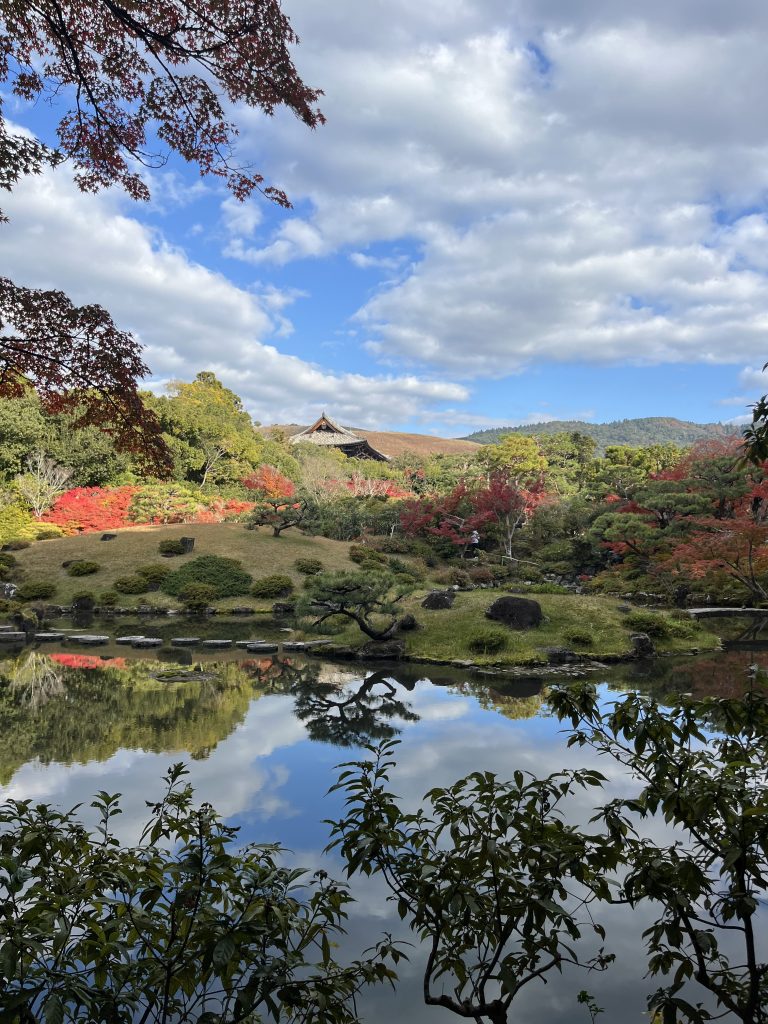 Nara, Isuien Garden
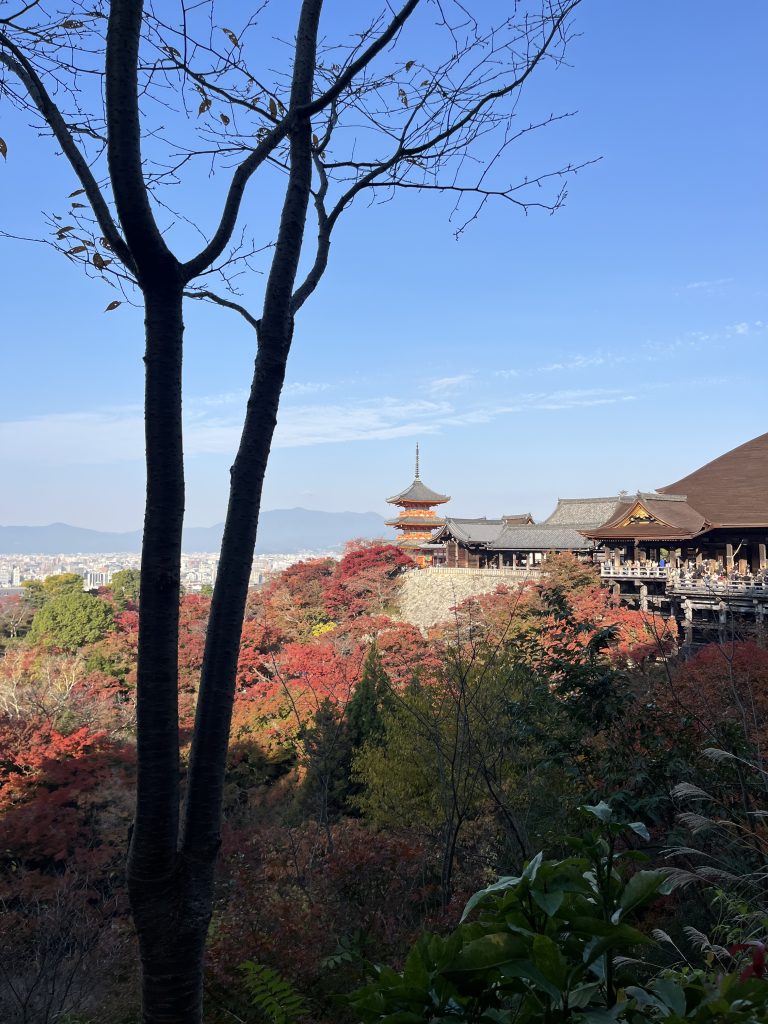 Kyoto, Kiyomizu-Dera
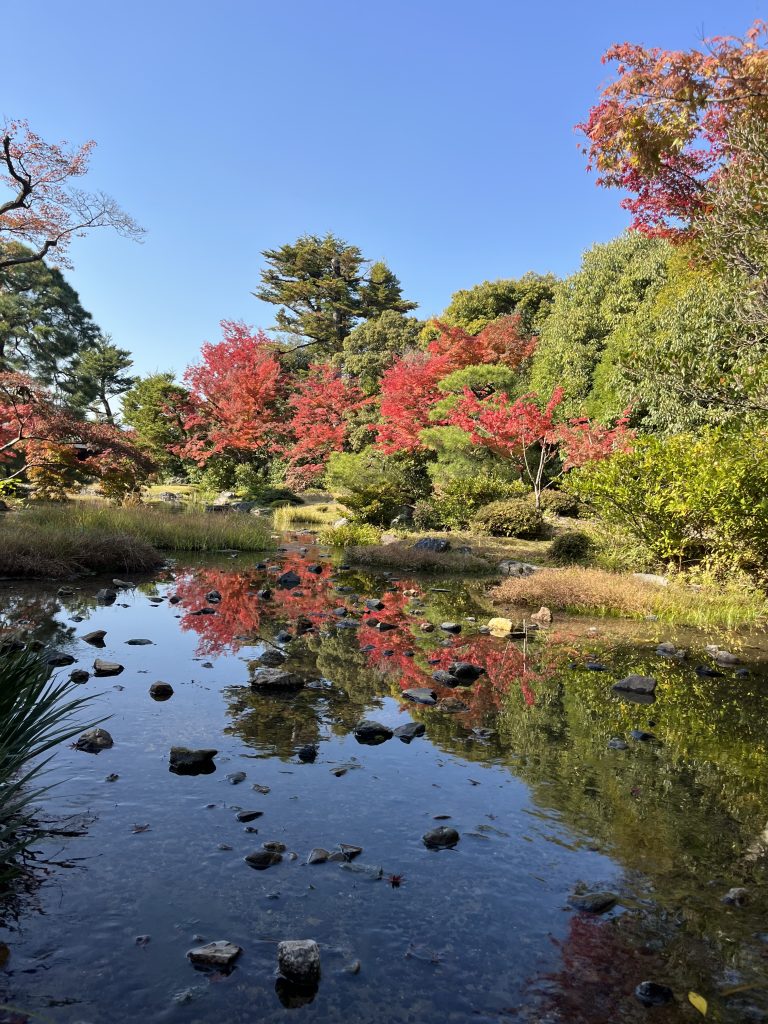 Kyoto, Murin-An Garden
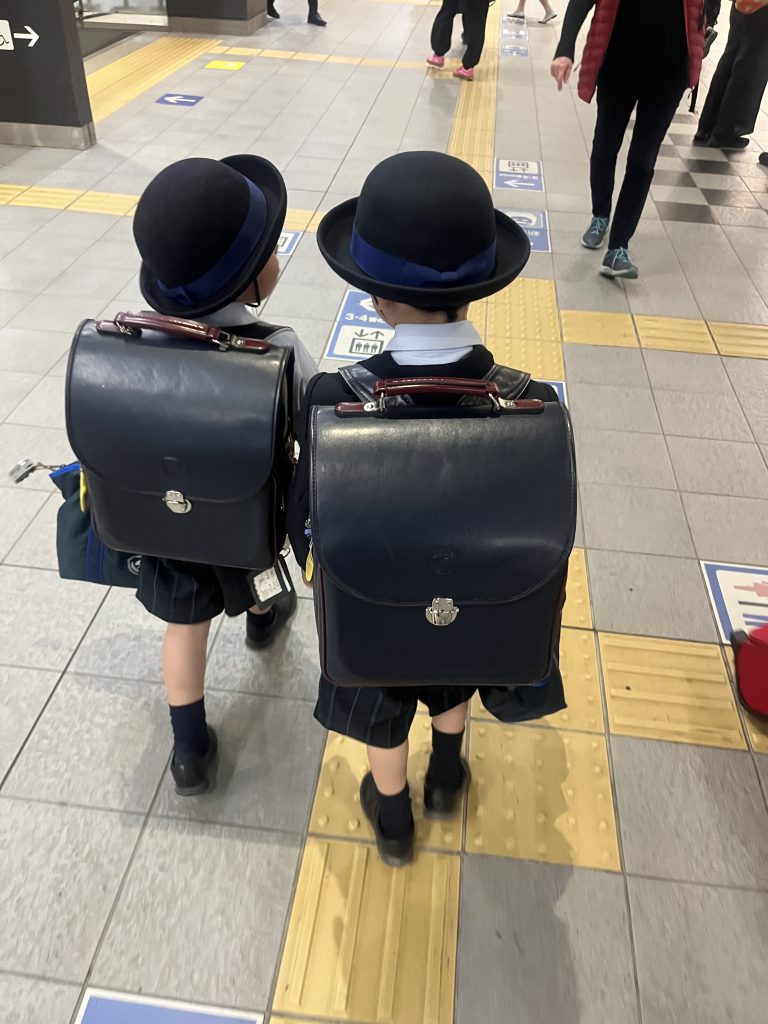 Okayama, School Uniform